Sacramento summers can put a home’s insulation and cooling system to the test, especially when afternoon temperatures climb into the triple digits. If conditioned air escapes through gaps in the attic, walls, or other parts of the building envelope, the air conditioner has to work harder to maintain a comfortable indoor temperature.
Quick answer: Spray foam insulation can help cut energy bills in Sacramento homes by insulating and air sealing at the same time. When properly installed in appropriate areas, spray foam limits unwanted heat transfer and reduces air leakage through cracks, gaps, and penetrations. That can decrease the amount of work a cooling system must do during hot Sacramento Valley summers, although actual savings vary by home.
What local homeowners should know
-
Spray foam can create an air barrier in addition to providing insulation, helping reduce uncontrolled air movement through the building envelope.
-
Sacramento’s long, hot cooling season makes limiting heat gain particularly valuable during summer.
-
SMUD uses higher electricity prices during summer weekday peak hours from 5 p.m. to 8 p.m., so reducing cooling demand can be especially useful during expensive periods.
-
Older homes in neighborhoods such as East Sacramento, Land Park, and Curtis Park may have very different insulation conditions than newer construction in surrounding communities.
-
Spray foam is not automatically the best choice for every attic, wall, or crawlspace, so the existing building assembly should be evaluated before installation.
Why Does Spray Foam Insulation Matter in Sacramento?
Spray foam insulation matters in Sacramento because the region’s intense summer heat can create a large temperature difference between conditioned living spaces and hot attics, walls, and other areas exposed to outdoor conditions. Improving insulation and controlling air leakage can reduce how quickly unwanted heat enters the home.
Local homeowners regularly experience prolonged periods of air-conditioning use during summer. Areas from Midtown and East Sacramento to Natomas and Pocket-Greenhaven include homes of different ages, designs, and insulation levels, so there is no single insulation solution appropriate for every property.
Electricity pricing also adds another local consideration. SMUD’s standard residential Time-of-Day plan charges different rates according to season and time of day, with summer peak pricing applying from 5 p.m. to 8 p.m. on weekdays. Reducing unnecessary cooling demand can therefore help homeowners manage both energy consumption and when costly electricity is being used.
At 5 Star Performance Insulation, we look at insulation as part of the home’s overall thermal and air-control system. Our goal is to help homeowners understand where energy loss is occurring and which insulation approach makes sense for the property.
What Do Local Energy Sources Say About Insulation and Energy Loss?
Local energy guidance supports air sealing and insulation as practical ways to reduce household energy loss. SMUD states that air leaks in many houses can collectively equal the effect of a fully open window and identifies air sealing and adding insulation as cost-effective approaches to improving home energy efficiency.
SMUD also reports that leaky ducts located in attics and crawlspaces can account for 20 percent or more of a home’s energy losses. That does not mean spray foam alone will reduce every household’s energy use by a specific percentage. It shows why insulation, air leakage, and duct conditions deserve attention when evaluating a home’s efficiency.
For Sacramento homeowners, the takeaway is straightforward: adding insulation without considering air leakage can leave an important source of energy loss untreated.
How Can Spray Foam Reduce Energy Use in a Sacramento Home?
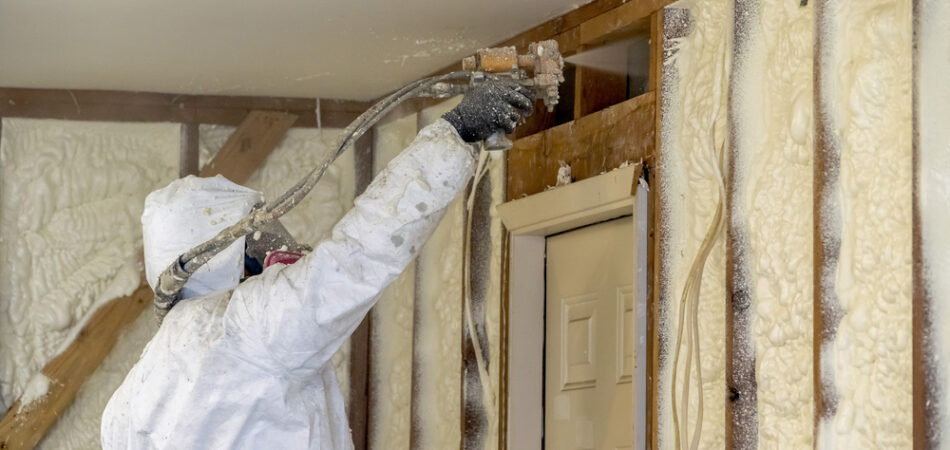
Spray foam can reduce household energy use by slowing heat transfer while sealing openings where conditioned and unconditioned air could otherwise move through the building envelope. This combined function is one reason homeowners may consider spray foam when addressing difficult-to-seal areas.
During a hot Sacramento afternoon, heat moves toward the cooler interior of a conditioned house. Meanwhile, cracks and penetrations around framing, plumbing, wiring, and other building components may allow additional unwanted air movement.
A properly designed insulation system helps separate indoor living conditions from the heat outside or in an unconditioned attic. As the cooling system faces a smaller load, it may run less frequently or for shorter periods, depending on the home’s HVAC equipment, construction, thermostat settings, and other factors.
What Are the Signs Your Home May Be Losing Energy?
Common signs of insulation or air-sealing problems include uneven temperatures, excessive HVAC operation, unusually hot rooms, drafts, and energy use that appears high for the household’s normal habits. These symptoms do not prove that spray foam is required, but they can justify a closer evaluation.
Watch for:
-
Upstairs rooms that become significantly hotter in the afternoon.
-
An air conditioner that seems to run for long periods during hot weather.
-
Large temperature differences between rooms.
-
Drafts around penetrations or other parts of the building envelope.
-
Existing insulation that is missing, displaced, compressed, or damaged.
-
Hot ceilings or walls in rooms adjacent to unconditioned spaces.
-
Difficulty keeping the home comfortable despite normal HVAC operation.
Because HVAC problems can produce similar symptoms, insulation should be evaluated as one part of the home’s overall comfort and efficiency picture.
When Should Sacramento Homeowners Call an Insulation Professional?
Homeowners should consider a professional insulation evaluation when comfort problems persist, existing insulation appears inadequate, or the source of air leakage and heat gain is unclear. A professional can assess conditions that are difficult to evaluate safely from the living space.
Homeowners can monitor utility usage, note which rooms become uncomfortable, visually inspect accessible insulation from a safe location, and check for obvious drafts.
DIY investigation should stop around unsafe attic access, exposed electrical components, damaged building materials, or situations requiring specialized knowledge. Spray foam installation itself also requires careful product selection and application because the material becomes part of the home’s building envelope.
What Common Sacramento Conditions Increase Cooling Costs?
The most common local conditions that increase cooling demand include prolonged summer heat, inadequate attic insulation, uncontrolled air leakage, duct losses, and building assemblies that allow excessive heat into conditioned spaces. Several of these issues can occur at the same property.
1. Hot Attic Conditions
Roofs exposed to Sacramento Valley sunshine can leave attic spaces extremely hot during summer. Insulation helps slow heat movement toward the rooms below.
2. Air Leakage
Small gaps around building penetrations may not look significant individually, but together they can allow substantial uncontrolled airflow.
3. Aging or Inadequate Insulation
Homes in established areas such as Land Park, Curtis Park, and East Sacramento can have insulation that reflects different construction eras and previous renovations. Existing conditions should be inspected rather than assumed.
4. Ductwork in Unconditioned Areas
Ducts running through hot attics or crawlspaces can contribute to energy loss, particularly if they leak or are inadequately protected.
5. Afternoon Cooling Demand
Sacramento homes can still require substantial cooling late in the day, which overlaps with SMUD’s weekday summer peak pricing period.
How Can Homeowners Prevent Unnecessary Energy Loss?
Sacramento homeowners can reduce unnecessary energy loss by maintaining insulation, controlling air leakage, monitoring HVAC performance, and addressing building-envelope problems before the hottest part of summer. Spring and cooler-weather inspections can provide time to correct issues before prolonged high temperatures arrive.
Safe homeowner checks include looking for visibly disturbed insulation, tracking unusually uncomfortable rooms, replacing HVAC filters according to equipment requirements, and comparing energy use over similar weather periods.
Avoid simply adding material over an unknown problem. Moisture issues, unsafe electrical conditions, duct problems, or inappropriate insulation assemblies should be addressed before installing new insulation.
What Results Can You Expect From Spray Foam Insulation?
Properly selected and installed spray foam can improve air control, thermal performance, and indoor comfort, but the exact reduction in energy bills will vary from one Sacramento home to another. Existing insulation, air leakage, HVAC efficiency, home size, occupant behavior, and thermostat settings all affect the outcome.
A home with significant air leakage and poorly insulated areas may have greater improvement potential than a property with an already efficient building envelope.
Homeowners should therefore be cautious about any universal savings percentage. A home-specific evaluation provides a more realistic basis for deciding whether spray foam is worthwhile.
What Mistakes Should Homeowners Avoid?
The biggest insulation mistakes are choosing a material before diagnosing the problem, overlooking air leakage, and assuming more insulation automatically solves every comfort issue. Sacramento homes vary too much in age and construction for a one-size-fits-all approach.
Mistake: Adding insulation without evaluating air leakage.
Consequence: Uncontrolled airflow may continue even after additional insulation is installed.
Better approach: Consider insulation and air sealing together.
Mistake: Assuming every hot room has an insulation problem.
Consequence: HVAC or duct issues may remain unresolved.
Better approach: Evaluate the complete comfort system.
Mistake: Selecting spray foam solely because of advertised energy savings.
Consequence: The product may not address the home’s actual source of energy loss.
Better approach: Identify where heat and air are moving before choosing an insulation strategy.
What Is a Common Local Spray Foam Scenario?
A common Sacramento scenario is a homeowner who struggles with hot upstairs rooms while the air conditioner runs heavily during summer afternoons. The home may have aging attic insulation, accessible air-leakage pathways, or ductwork located in a hot attic.
An evaluation can determine which conditions are actually contributing to the problem. Depending on the home’s construction, the appropriate solution might include spray foam, another insulation material, air sealing, duct improvements, or a combination of measures.
This is a common local scenario rather than a specific customer case study. Actual recommendations depend on conditions found at the property.
Which Insulation Services Can Improve Home Efficiency?
The right insulation service addresses the specific locations where a Sacramento home is gaining heat or losing conditioned air. That may mean improving attic insulation, sealing air leaks, insulating other parts of the building envelope, or using spray foam where its properties are appropriate.
We can help homeowners evaluate existing insulation conditions and determine which approach fits the home rather than starting with a predetermined material.
How Does Spray Foam Compare With Other Insulation Options?
Spray foam differs from other insulation options because it can provide insulation and air sealing in one application, while other materials may require separate air-sealing work to achieve similar air-control goals. The best choice depends on the assembly, budget, existing conditions, and performance objectives.
Fiberglass and other insulation products can be effective when properly installed. Spray foam may be particularly useful where controlling air movement is an important objective or where irregular spaces make conventional installation challenging.
Rather than asking which insulation is universally best, Sacramento homeowners should ask which system solves the problems present in their specific house.
Where Can Local Homeowners Consider Spray Foam Insulation?
Homeowners throughout Sacramento and surrounding communities may consider spray foam when their properties have insulation or air-leakage problems that the material can appropriately address. Conditions vary between older central-city neighborhoods and homes in communities such as Carmichael, Rancho Cordova, and Elk Grove.
Local climate and individual construction details should guide the recommendation rather than location alone.
What Can Happen If Poor Insulation Is Ignored?
Ignoring inadequate insulation and uncontrolled air leakage can leave a Sacramento home using more cooling energy than necessary while allowing comfort problems to continue. Over time, homeowners may experience persistent hot rooms, longer HVAC operation, and unnecessary exposure to higher electricity consumption during summer.
SMUD’s 2026 Time-of-Day rates make summer energy management especially relevant. Under the standard plan, electricity costs more during weekday peak hours from 5 p.m. to 8 p.m. than during summer off-peak periods.
Improving the building envelope does not eliminate energy costs, but it can reduce unnecessary heating and cooling demand.
FAQ
Does spray foam insulation really lower energy bills in Sacramento?
Yes, spray foam can lower energy consumption when it corrects meaningful insulation and air-leakage problems in a Sacramento home. Because it can insulate and air seal, it may reduce unwanted heat gain and conditioned-air loss. Actual bill savings depend on the home, HVAC system, energy rates, thermostat settings, and occupant behavior.
Why is insulation especially important during Sacramento summers?
Insulation is especially important during Sacramento summers because prolonged outdoor heat increases the cooling load on local homes. A well-designed thermal and air barrier slows heat movement into conditioned spaces and helps the HVAC system maintain indoor temperatures without fighting as much unnecessary heat gain or air leakage.
Does SMUD recommend insulation and air sealing?
Yes, SMUD identifies air sealing and adding insulation as cost-effective ways to improve home energy efficiency. SMUD also notes that household air leaks can collectively represent a substantial opening and that duct leakage in attics and crawlspaces can contribute significantly to energy losses.
Can spray foam help during SMUD peak hours?
Spray foam may help indirectly during SMUD peak hours by reducing the home’s cooling demand when outdoor temperatures remain high. SMUD’s standard Time-of-Day plan currently uses weekday peak pricing from 5 p.m. to 8 p.m., making efficient cooling and reduced heat gain particularly relevant during summer evenings.
Is spray foam right for older homes in East Sacramento or Land Park?
Spray foam can be appropriate for some older homes, but the existing construction should be evaluated first. Homes in East Sacramento and Land Park may have undergone additions, renovations, insulation upgrades, or HVAC changes over decades, so the correct insulation strategy depends on the actual building assembly rather than the home’s age alone.
Is spray foam better than fiberglass for Sacramento homes?
Neither material is automatically better for every Sacramento home. Spray foam offers air-sealing properties that conventional fiberglass does not provide by itself, while fiberglass can be an effective insulation choice when installed correctly and paired with appropriate air sealing. Existing construction, location, performance goals, and budget should guide the decision.
When is the best time to inspect insulation in Sacramento County?
Before peak summer heat is a practical time to inspect insulation in Sacramento County because problems can be identified before cooling demand reaches its seasonal high. Insulation can be evaluated at other times of year as well, particularly when homeowners notice drafts, uneven temperatures, excessive HVAC operation, or visibly damaged insulation.
Will spray foam make every room the same temperature?
No, spray foam cannot guarantee identical temperatures throughout a home because insulation is only one factor affecting comfort. Duct design, HVAC sizing, solar exposure, windows, airflow, thermostat location, and building layout also matter. A professional evaluation can help determine whether insulation is the main cause of uneven temperatures.
Make Your Sacramento Home Easier to Keep Comfortable
A better-insulated, better-sealed home can reduce unnecessary heat gain and help the cooling system handle Sacramento’s demanding summer conditions more efficiently. We can evaluate your existing insulation and help determine whether spray foam or another insulation solution makes sense for your property.