
Noise can become a daily problem in Sacramento offices, retail spaces, warehouses, medical facilities, and mixed-use commercial properties. Conversations travel through walls, mechanical equipment creates background noise, and activity from neighboring suites can make otherwise functional spaces distracting.
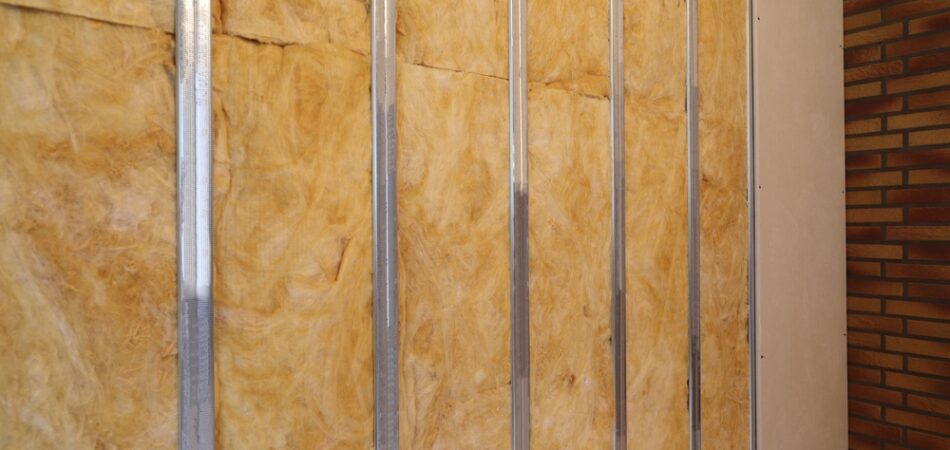
Commercial insulation can help reduce unwanted sound transmission by adding sound-absorbing material within walls, ceilings, and other building assemblies. The right approach depends on where the noise originates, how the building is constructed, and whether the goal is greater privacy, reduced disruption, or improved overall acoustic comfort.
What local businesses should know
-
Insulation can absorb sound within wall and ceiling cavities, helping reduce how easily noise moves between work areas.
-
Offices and commercial suites in Downtown Sacramento and Midtown may face different acoustic challenges than warehouses and industrial properties elsewhere in Sacramento County.
-
Insulation works best as part of a complete wall or ceiling assembly rather than as a stand-alone soundproofing solution.
-
Mechanical equipment, shared walls, open ceilings, doors, windows, and penetrations can all provide paths for unwanted sound.
-
Commercial properties should be evaluated individually because construction type and noise sources can vary significantly.
Why Does Commercial Sound Control Matter in Sacramento Workspaces?
Commercial sound control matters because excessive noise can interfere with conversations, privacy, concentration, and the way employees and customers experience a workspace. In Sacramento, businesses operate in everything from older central-city buildings to modern offices, retail centers, medical suites, and large industrial properties.
A professional office near Downtown may need to limit conversations traveling between conference rooms. A Midtown business may have neighboring tenants separated by shared walls. Properties around Natomas, Arden-Arcade, Rancho Cordova, and West Sacramento can include larger commercial layouts where equipment, warehouse operations, or open work areas create different acoustic concerns.
5 Star Performance Insulation, Inc. can evaluate insulation as part of a commercial property’s broader sound-control strategy. We look at the building assembly and potential sound paths rather than assuming every noise problem has the same solution.
What Do Local Data and Building Standards Tell Sacramento Businesses?
Local conditions show that commercial insulation may serve more than one building-performance goal, while California building requirements make proper material selection and installation important. The California Building Standards Commission identifies Title 24 as the state’s building standards code, with the 2025 edition effective beginning January 1, 2026.
CALGreen, Part 11 of Title 24, includes provisions addressing environmental comfort and acoustical control in applicable nonresidential construction. Requirements vary according to the building, occupancy, project scope, and jurisdiction, so property owners should not assume that adding insulation alone establishes code compliance.
Climate is another consideration. National Weather Service reporting for July 2026 recorded 27 days reaching at least 90°F at Sacramento Metropolitan Airport. For local businesses, insulation decisions may therefore involve both acoustic goals and the thermal performance of the building envelope.
How Does Insulation Reduce Noise Inside a Commercial Building?
Insulation reduces noise by absorbing some of the sound energy that enters wall, floor, or ceiling cavities, limiting the amount of energy that continues through the assembly. This can be especially useful where voices, office activity, equipment, or neighboring tenants create recurring distractions.
Sound can still travel through drywall, framing, doors, windows, ductwork, electrical penetrations, ceiling systems, and structural connections. That is why insulation should be viewed as one component of an acoustic assembly.
A conference room wall, for example, may contain insulation but still leak considerable sound through an unsealed doorway or openings around building systems. Identifying those paths helps determine where improvements may have the greatest practical value.
What Are the Warning Signs of Poor Sound Control?
Poor sound control often becomes apparent when normal workplace activity can be clearly heard where privacy or separation is expected. Sacramento business owners and property managers may want to investigate the building assembly when they notice:
-
Conversations are easily understood through interior walls.
-
Conference room discussions can be heard in neighboring offices.
-
Noise regularly travels between adjoining tenant spaces.
-
Restrooms, break rooms, or mechanical areas disrupt nearby workstations.
-
Ceiling cavities appear to carry sound between rooms.
-
Warehouse or equipment noise reaches administrative areas.
-
Employees frequently close doors simply to reduce routine background noise.
-
A renovated space seems noticeably louder than expected.
These symptoms do not automatically mean insulation is missing. They indicate that the sound path should be evaluated before choosing a solution.
When Should a Sacramento Business Call an Insulation Professional?
A Sacramento business should consider professional evaluation when unwanted sound consistently travels through walls or ceilings and the source cannot be corrected through simple operational changes. An insulation professional can assess accessible assemblies and determine whether adding or improving insulation is appropriate.
Businesses can first identify when and where noise is most noticeable. Note whether the problem comes from voices, neighboring suites, mechanical systems, outdoor activity, or operations within the building.
DIY investigation should stop before opening assemblies that may contain electrical wiring, mechanical components, plumbing, or other building systems. Commercial alterations may also be subject to applicable building requirements.
What Commonly Causes Noise Problems in Sacramento Commercial Properties?
Noise problems in Sacramento commercial properties commonly result from shared partitions, open cavities, hard interior surfaces, mechanical systems, and gaps that allow sound to bypass insulated areas. The most important cause varies with the property’s construction and use.
Shared tenant walls: Retail centers and multi-tenant offices may place businesses with very different noise levels next to one another.
Uninsulated or underinsulated cavities: Empty wall and ceiling cavities can provide less sound absorption than appropriately designed insulated assemblies.
Open ceiling paths: Sound can sometimes travel above partitions through shared ceiling spaces.
Building penetrations: Openings around pipes, electrical components, ducts, and other systems can weaken otherwise effective assemblies.
Mechanical equipment: HVAC equipment and other building systems can create both airborne sound and vibration.
Mixed-use activity: Properties near Midtown, Downtown, and other active commercial districts may experience a combination of interior and exterior noise sources.
How Can Businesses Prevent Acoustic Problems During Improvements?
Businesses can prevent many acoustic problems by considering sound control before walls and ceilings are closed during construction or renovation. Installing appropriate insulation is generally simpler when cavities are already accessible than after finished surfaces have been completed.
Before a tenant improvement project, identify rooms where speech privacy or quiet conditions matter most. Conference rooms, private offices, treatment rooms, consultation spaces, and administrative areas may deserve particular attention.
Also consider adjoining uses. A quiet office sharing a wall with a break room, mechanical space, fitness area, or active retail operation may need a different assembly than two similar offices.
What Results Can Commercial Insulation Realistically Provide?
Commercial insulation can reduce sound transmission and improve acoustic comfort, but it should not be expected to make every workspace completely soundproof. Results depend on insulation type, assembly design, installation quality, doors, windows, penetrations, ceilings, and the frequency and intensity of the noise.
A successful project may make conversations less noticeable between rooms, reduce disruption from adjoining areas, or create a more comfortable acoustic environment.
The distinction between reducing noise and eliminating it is important. Complete sound isolation can require additional construction methods beyond insulation alone.
What Soundproofing Mistakes Should Sacramento Businesses Avoid?
The biggest soundproofing mistake is treating insulation as a universal fix without identifying how noise actually travels through the building.
Mistake: Adding insulation to one wall without checking adjacent sound paths.
Consequence: Noise may continue through the ceiling, doorway, ductwork, or penetrations.
Better approach: Evaluate the complete assembly and surrounding connections.
Mistake: Assuming more insulation automatically means complete soundproofing.
Consequence: Expectations may exceed what the existing construction can deliver.
Better approach: Define whether the goal is noise reduction, speech privacy, or greater isolation.
Mistake: Waiting until a renovation is finished to consider acoustics.
Consequence: Improving concealed cavities can become more disruptive.
Better approach: Address insulation during planning whenever possible.
What Is a Common Local Commercial Sound-Control Scenario?
A common local scenario is a Sacramento office where private rooms and collaborative spaces share lightweight interior partitions. Employees begin noticing that normal conversations carry from conference rooms into adjacent work areas.
The appropriate response is not automatically to fill every available cavity. The first step is determining whether sound is primarily moving through the partition, above the ceiling, through doors, or through another connection.
Once those paths are understood, insulation can be incorporated where it supports the overall acoustic strategy.
Which Insulation Services Can Help Reduce Workplace Noise?
Commercial insulation services can help reduce workplace noise when insulation is appropriately matched to walls, ceilings, and other assemblies contributing to sound transmission. The best solution depends on the property’s construction, accessibility, and performance goals.
We can help businesses evaluate where insulation may improve acoustic performance while considering the property’s broader insulation needs.
How Do Insulation and Other Sound-Control Options Compare?
Insulation is best used to absorb sound within cavities, while other sound-control measures may address transmission through surfaces, openings, or structural connections. Many commercial properties benefit from combining approaches rather than relying on a single material.
Adding cavity insulation may be practical during renovations or tenant improvements. Sealing gaps can address specific leakage paths. Doors or other assembly components may need attention when they are the weak point. More demanding environments may require specialized acoustic design beyond conventional insulation work.
For businesses, the right choice starts with identifying the source and desired result.
Where Can Commercial Properties Use These Sound-Control Strategies?
Commercial properties throughout Sacramento and surrounding communities can use insulation as part of a sound-control strategy. Similar concerns occur in West Sacramento, Rancho Cordova, Carmichael, Arden-Arcade, and other parts of the greater Sacramento area.
Building type matters more than geography alone, so each property should be evaluated according to its construction and use.
What Can Happen If Workplace Noise Problems Are Ignored?
Ignoring workplace noise can allow privacy, communication, and comfort problems to continue, particularly when businesses change layouts or add employees without addressing existing sound paths. Problems may also become more complicated to correct after walls and ceilings are finished.
Planning insulation improvements alongside renovations can reduce unnecessary disruption and provide an opportunity to address both acoustic and thermal needs within accessible assemblies.
FAQ
Does commercial insulation completely soundproof a Sacramento office?
No. Commercial insulation can absorb sound within building cavities and help reduce transmission, but complete soundproofing typically depends on the entire assembly. Walls, ceilings, doors, windows, penetrations, ductwork, and structural connections can all influence results. The goal should be defined before selecting materials or construction methods.
What types of Sacramento businesses may benefit from sound-control insulation?
Offices, medical and professional suites, retail businesses, warehouses, mixed-use properties, and other workplaces may benefit when sound is traveling through insulated building assemblies. The need depends on the property’s layout, construction, neighboring uses, and desired level of privacy or acoustic separation.
Can insulation help with noise between Sacramento tenant spaces?
Yes, insulation may help reduce noise between Sacramento tenant spaces when sound is traveling through shared wall or ceiling cavities. However, sound may bypass the insulated area through ceilings, doors, ducts, penetrations, or structural connections, so the complete separation between spaces should be considered.
Is sound-control insulation useful during a Sacramento tenant improvement?
Yes. A tenant improvement can be a practical time to address acoustic insulation because wall or ceiling cavities may already be accessible. Planning sound control before finishes are installed can also help businesses identify conference rooms, private offices, and other spaces where additional acoustic separation is desirable.
Can commercial insulation also help with Sacramento’s hot summers?
Insulation used in appropriate parts of the building envelope can contribute to thermal performance as well as other building-performance goals. Sacramento experiences prolonged summer heat, so businesses evaluating insulation should consider both the location of the material and the purpose of the assembly rather than assuming one installation solves every issue.
Do California building codes address acoustics in commercial buildings?
California building standards include acoustic provisions that can apply to certain nonresidential construction. The applicable requirements depend on occupancy, project type, location, and other factors. Businesses planning alterations should verify current Title 24 requirements and any applicable local provisions rather than relying on general soundproofing recommendations.
Can insulation stop HVAC noise in Sacramento workplaces?
Insulation may help with some airborne noise, but HVAC noise can also involve ducts, equipment vibration, airflow, and structural transmission. If mechanical systems are the primary source, the solution may require evaluation beyond wall or ceiling cavity insulation. Identifying the source prevents unnecessary work.
When should Sacramento businesses plan acoustic insulation?
The best time is often during initial construction, renovation, or tenant improvement when wall and ceiling cavities are accessible. Existing Sacramento businesses can still investigate sound problems later, but addressing acoustics during planned construction may reduce the amount of finished material that must be disturbed.
Create a Quieter, More Comfortable Sacramento Workspace
Commercial insulation can be an important part of reducing unwanted noise, improving privacy, and creating a more comfortable workplace when it is matched to the building’s actual sound paths.